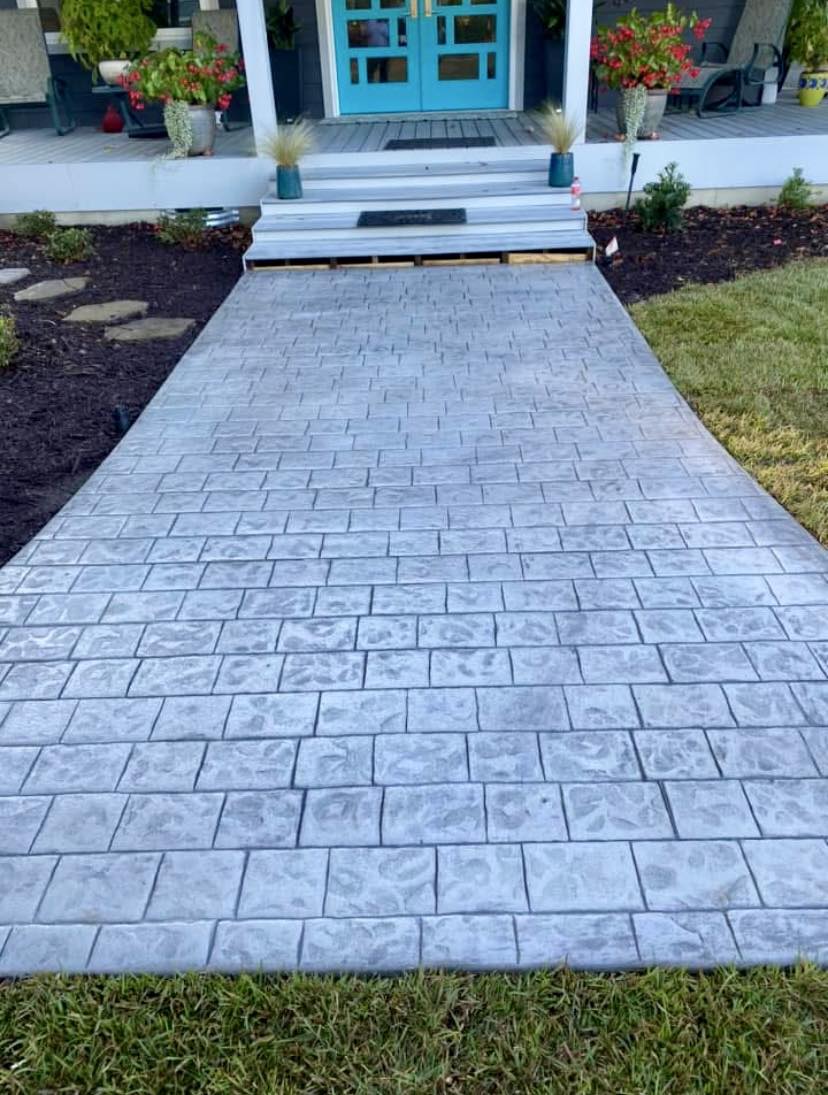
Mastering the Art of Concrete Resurfacing: Techniques for a Fresh Start Jan 16, 2026
Starting with a thorough preparation is crucial for a successful resurfacing project. It is important to clean the existing concrete surface meticulously to remove dirt, oil, and any other contaminants that could prevent the new layer from adhering properly. Pressure washing is often recommended to ensure that the surface is completely clean. After cleaning, inspect the surface for any cracks or damaged areas. Repairing these with a suitable concrete patching product will ensure a smooth base for the resurfacing material.
Once the surface is prepared, the next step is choosing the right resurfacing product. There are different materials available, such as polymer-based cement overlays, that are specifically designed for concrete resurfacing. These products often come in a variety of finishes and colors, allowing you to customize the appearance of your surface. It is important to select a product that is durable and suited to the specific environment where it will be applied, whether that's a driveway, patio, or interior floor.
Mixing the resurfacing material correctly is vital to its performance and longevity. Follow the manufacturer's instructions carefully regarding the water-to-product ratio. Mixing should be thorough to ensure an even consistency and avoid air bubbles, which could compromise the integrity of the finish. Using a mixer attachment on a power drill can help achieve the right texture more efficiently.
Application technique plays a significant role in the finished appearance of your concrete surface. Start by working in manageable sections, applying the resurfacing material with a large trowel or squeegee. This allows you to smooth out the product evenly and achieve the desired thickness. Pay attention to the edges and corners to ensure a seamless blend with adjoining surfaces. A skilled hand can create beautiful textures and finishes, adding visual interest to your concrete area.
Timeliness is also a key factor during the resurfacing process. Most concrete resurfacing materials have a limited working time, meaning they start to set fairly quickly after being mixed. It's essential to apply the product efficiently and smooth out any imperfections before it begins to harden. Working with a team can expedite the process and ensure a consistent result.
After application, curing is necessary to enhance the strength and durability of the resurfaced concrete. Keep the surface moist by lightly spraying it with water or covering it with plastic sheeting for the recommended curing period. This step is vital, especially in dry or hot climates, to prevent the new surface from drying too quickly and developing cracks.
In conclusion, concrete resurfacing is a fantastic way to revitalize your existing concrete surfaces without the need for a complete replacement. By following these techniques for preparing, choosing, mixing, applying, and curing, you can achieve a durable and visually appealing result. At Big League Concrete and Grading, we're committed to guiding you through each step of the process, ensuring your space receives a professional, fresh start. Whether you're enhancing a residential patio or a commercial floor, mastering these concrete resurfacing techniques will provide a lasting and beautiful transformation.
/filters:no_upscale()/filters:format(webp)/media/4cc0e2d9-10cd-4e2d-9eaf-933265bd4b39.jpg)
/filters:no_upscale()/filters:format(webp)/media/3ea08836-059a-4bf8-867e-f606b7a61124.jpeg)