Expert Tips for Winterizing Your Concrete Surfaces Mar 19, 2026
First, it’s essential to understand why winterizing your concrete surfaces is critical. The freeze-thaw cycle, common in colder climates, can cause concrete to crack and deteriorate. As moisture infiltrates concrete and freezes, it expands, increasing stress and leading to potential damage. Preparing your concrete properly can prevent these issues and extend the life of your investment.
Start by cleaning your concrete surfaces thoroughly. Remove any dirt, debris, or organic material like leaves, which can trap moisture against the concrete surface. A high-pressure washer can be very effective in ensuring a deep clean, allowing for a smooth application of protective treatments.
Once your concrete is clean, inspect it for existing cracks or damage. These should be repaired before winter sets in. Fill minor cracks with a suitable concrete patching compound, ensuring that the surface is smooth and level. For larger or more serious damage, consulting a professional service like Big League Concrete and Grading is advisable to prevent further deterioration.
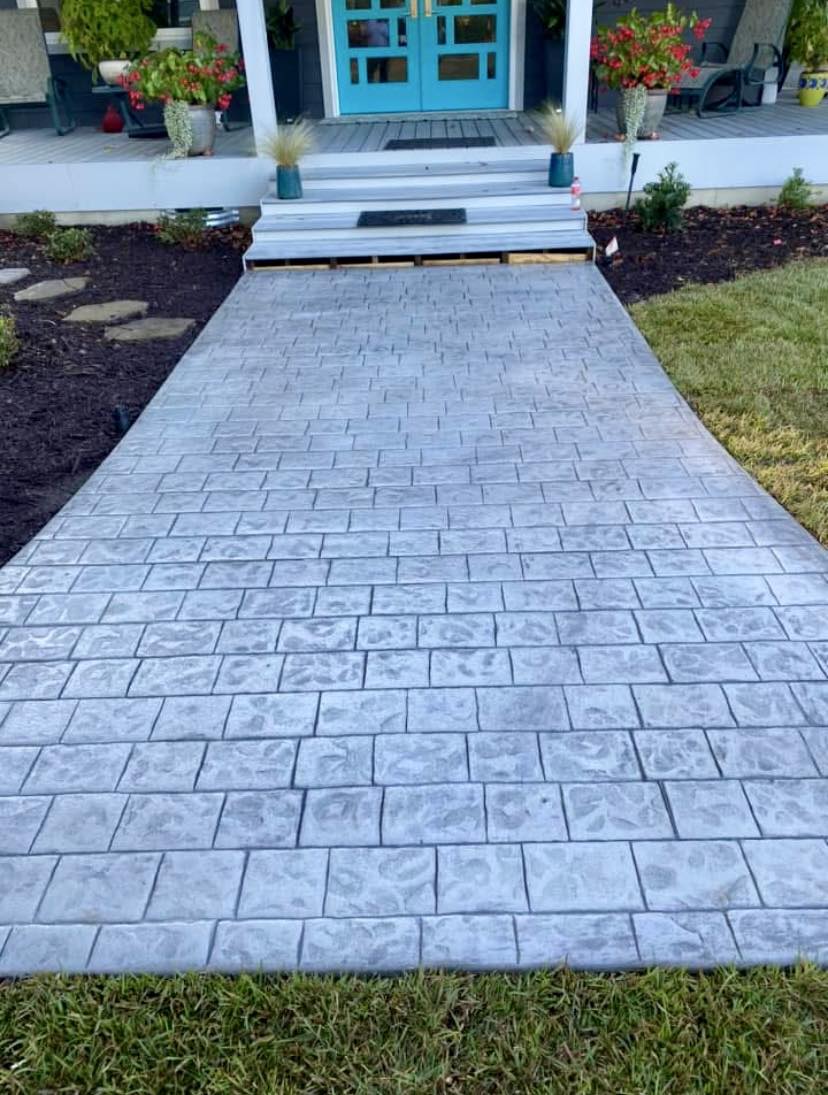
Sealing your concrete is arguably the most important step in the winterization process. A high-quality concrete sealant will create a protective barrier against moisture penetration. Choose a sealer that is appropriate for your specific type of concrete surface, whether it’s a driveway, walkway, or patio. This barrier not only helps in repelling water but also reduces the risk of chemical damage from de-icing salts that might be used in the winter months. Ensure the sealer is applied evenly and consider applying a second coat for added protection.
Additionally, take steps to manage water and snow accumulation around your concrete surfaces. Ensure your property’s drainage systems are clear and functioning correctly to prevent water from pooling. Using a snowblower rather than a shovel can help minimize the force on your concrete surfaces, reducing the risk of damage. When removing ice, consider using sand or kitty litter as more natural traction aids instead of harsh chemical de-icers which can damage concrete if not chosen carefully.
Lastly, adopting preventative measures goes a long way in protecting your concrete surfaces. Regularly inspect your concrete throughout the winter for signs of wear or damage. Early detection and repair of minor issues can prevent expensive repairs down the line. Moreover, consider speaking with a professional about performing a full inspection and maintenance routine before and after the winter season.
Winterizing your concrete surfaces doesn’t have to be a daunting task. By following these expert tips from Big League Concrete and Grading, you can safeguard your concrete against winter challenges, ensuring its integrity and appearance for years to come. Remember, timely maintenance today can save you significant repairs tomorrow, making your investment in proper winterization more than worthwhile.
/filters:no_upscale()/filters:format(webp)/media/4cc0e2d9-10cd-4e2d-9eaf-933265bd4b39.jpg)
/filters:no_upscale()/filters:format(webp)/media/3ea08836-059a-4bf8-867e-f606b7a61124.jpeg)