Crafting Modern Landscapes with Sustainable Concrete Practices Mar 12, 2026
Concrete is a versatile and durable material that has long been a staple in landscape construction. However, traditional concrete production is energy-intensive and contributes to carbon emissions. To counter these effects, sustainable concrete practices focus on reducing the carbon footprint of concrete without compromising quality or performance. This is achieved through techniques such as using recycled materials, incorporating supplementary cementitious materials, and optimizing mix designs.
Recycled materials play a vital role in sustainable concrete. By incorporating recycled aggregates such as crushed concrete from demolition projects, companies like Big League Concrete and Grading reduce the need for virgin materials, thereby conserving natural resources. Additionally, using industrial by-products like fly ash or slag in concrete mixtures not only diverts waste from landfills but also enhances the concrete's strength and durability.
Another critical aspect of sustainable concrete practices is the careful selection of cement alternatives. Portland cement, commonly used in traditional concrete, is responsible for a significant portion of the construction industry's carbon emissions. By replacing a portion of Portland cement with alternative materials, such as fly ash, companies can significantly reduce the carbon intensity of their concrete. These alternatives not only lower emissions but also improve properties like workability and longevity.
Incorporating permeable concrete in landscape design is another innovative approach embraced by Big League Concrete and Grading. Permeable concrete is designed to allow water to pass through its surface, reducing runoff and promoting natural water absorption into the ground. This practice helps manage stormwater more sustainably and reduces the risk of flooding. Moreover, permeable surfaces can support the health of surrounding vegetation by maintaining soil moisture levels.
Sustainable concrete practices also involve recycling and reusing concrete waste onsite. This not only decreases the amount of waste sent to landfills but also reduces the demand for new materials. Through techniques like mechanical grinding, existing concrete can be repurposed for new projects, effectively closing the loop in concrete production.
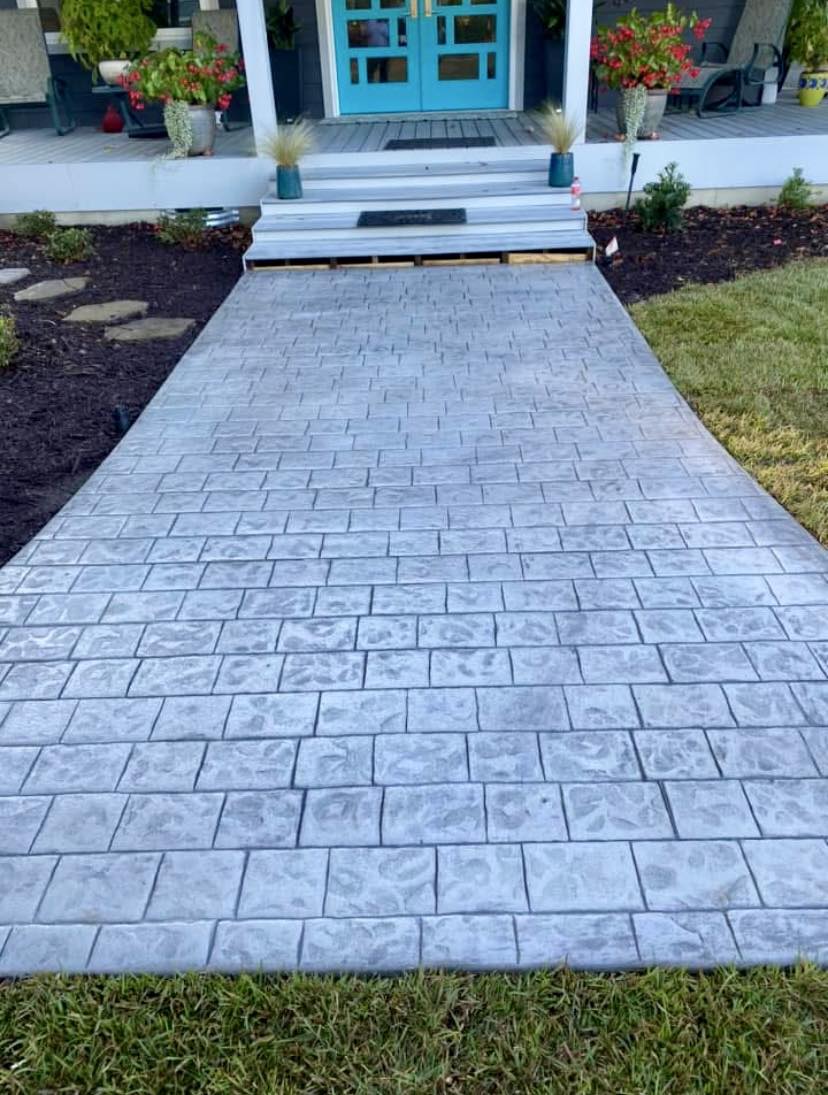
Designing landscapes with sustainable concrete is not just about the materials; it also involves mindful planning and execution. Incorporating features like concrete pavers, retaining walls, and decorative elements crafted from sustainable concrete can elevate the aesthetics of any outdoor space. By integrating these elements seamlessly into the landscape design, homeowners and designers can create beautiful, functional areas that are environmentally friendly.
Big League Concrete and Grading is committed to advancing sustainable concrete practices by educating customers about their benefits and incorporating these methods into every project. By choosing sustainable concrete solutions, you contribute to reducing carbon emissions, conserving natural resources, and supporting a healthier planet.
In conclusion, crafting modern landscapes with sustainable concrete practices presents an opportunity to harmonize beauty with environmental responsibility. By adopting these innovative approaches, we can create outdoor spaces that are not only visually appealing but also sustainable. Whether you're planning a new patio, driveway, or walkway, consider the environmental benefits of using sustainable concrete practices. By partnering with Big League Concrete and Grading, you can be assured that your project will be executed with precision, innovation, and a commitment to sustainability.
/filters:no_upscale()/filters:format(webp)/media/4cc0e2d9-10cd-4e2d-9eaf-933265bd4b39.jpg)
/filters:no_upscale()/filters:format(webp)/media/3ea08836-059a-4bf8-867e-f606b7a61124.jpeg)